


Most industrial purchasers only focus on surface dimensions and unit prices when selecting mechanical structural components, ignoring the internal material stability, fatigue resistance and service life under continuous high-pressure operation. This superficial selection logic frequently leads to frequent equipment failures, unexpected downtime, increased maintenance costs and shortened overall service cycle of complete machinery. Many production lines suffer frequent replacement of vulnerable parts, unstable processing accuracy and hidden safety hazards, all originating from unreasonable matching of cold forming components. Choosing qualified and professionally manufactured precision cold extrusion forming parts can fundamentally solve these long-standing pain points that plague industrial production.
Irregular cold forming processing technology directly causes invisible defects inside metal parts, including residual stress, micro-cracks, uneven material density and insufficient surface compactness. These defects cannot be detected by simple appearance inspection, but will gradually expand under high-frequency vibration, repeated load and extreme temperature changes. Once parts break or deform during operation, the entire assembly chain will be damaged, bringing huge economic losses and production delays. Reliable cold forming products adopt standardized precision molding processes, which eliminate internal structural defects from the source and greatly improve comprehensive mechanical properties.
Many enterprises misunderstand that all cold stamped parts have identical wear resistance and pressure resistance. In fact, raw material grade, molding temperature control, precision tolerance range, post-treatment process and dimensional consistency all determine the actual application effect. Low-cost inferior parts seem economical in short-term procurement, but the cumulative loss caused by shutdown maintenance, scrap replacement and assembly matching errors far exceeds the initial cost difference. Professional customized cold forming components from professional automotive and mechanical parts manufacturer strictly follow industry high-standard production specifications to balance cost performance and durability.
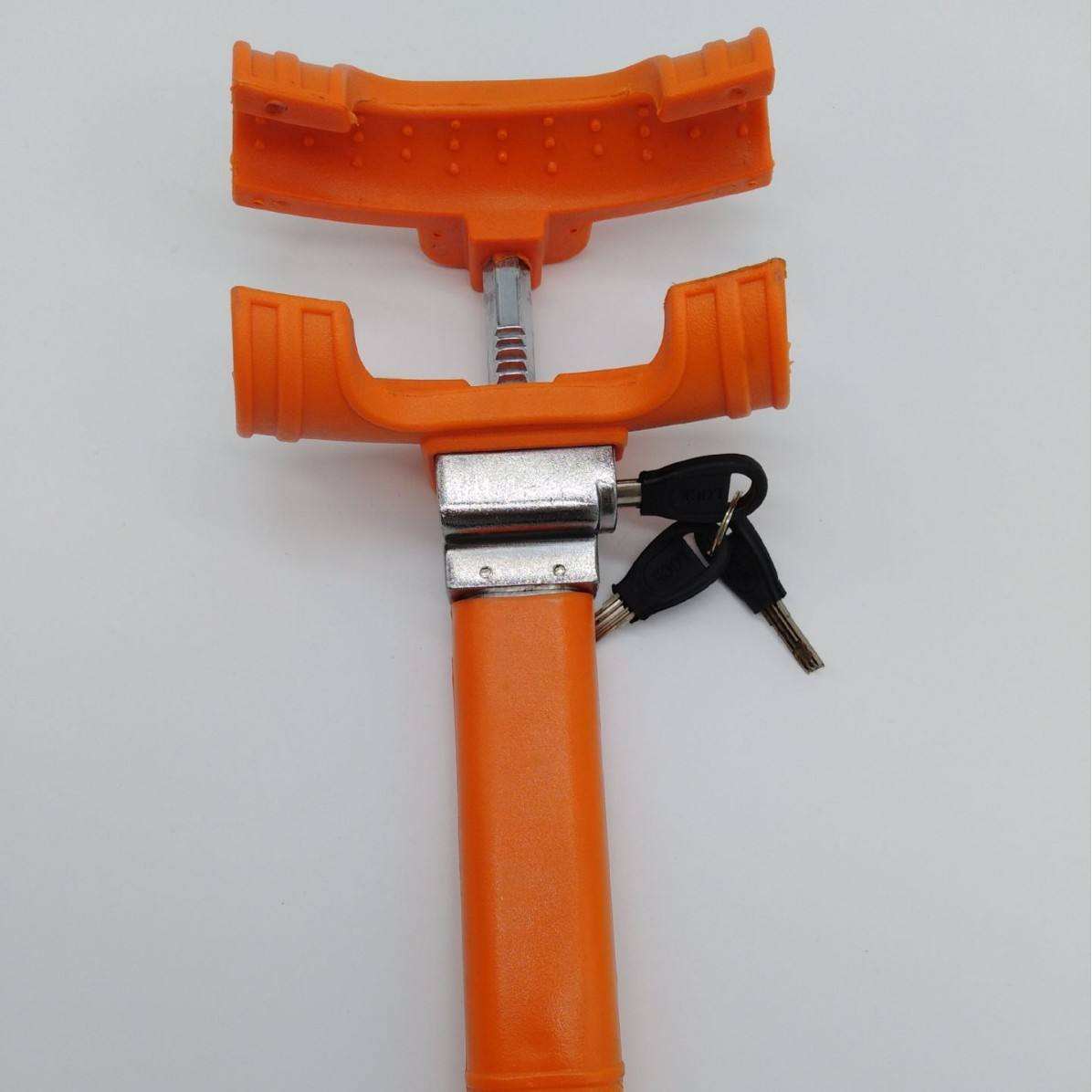
Long-term heavy-load operation environments put extremely strict requirements on torsion resistance, impact resistance and corrosion resistance of cold forming parts. Ordinary processed parts are prone to deformation, abrasion and loosening after short-term use, which damages assembly clearance and reduces overall mechanical operation accuracy. Precision cold extrusion forming technology optimizes metal fiber structure, makes material density more uniform, and significantly improves bending resistance, fatigue life and compression resistance compared with traditional cutting and stamping processes. Stable dimensional accuracy also ensures seamless assembly matching and reduces debugging time during equipment installation.
Different mechanical fields have completely different application requirements for cold forming parts. Automobile chassis parts need excellent shock resistance, transmission machinery parts require ultra-high wear resistance, and hydraulic structural parts demand tight airtightness and pressure resistance. Blindly selecting universal standard parts cannot adapt to complex working conditions, resulting in frequent quality accidents. Matching customized precision cold forming parts according to actual working conditions, load intensity and installation space can maximize equipment operation stability and reduce unnecessary later maintenance investment.
Core Performance Comparison Of Ordinary Stamping Parts & High-Precision Cold Forming Parts
| Performance Index | Ordinary Stamping Parts | Premium Precision Cold Forming Parts |
|---|---|---|
| Internal Metal Structure | Disordered fiber, large residual stress | Compact and orderly fiber, minimal residual stress |
| Fatigue Service Life | Short, easy to fracture under repeated load | Long, stable under long-term high-frequency operation |
| Surface Wear Resistance | General, obvious abrasion after short use | Excellent, low wear rate in harsh environments |
| Dimensional Tolerance Accuracy | Large deviation, poor assembly compatibility | Ultra-small tolerance, high-precision assembly matching |
| Anti-Impact & Anti-Torsion Ability | Weak, easy to deform and crack | Strong, resistant to frequent impact and heavy torsion |
| Applicable Working Conditions | Light load, ordinary temperature environment | Heavy load, high pressure, high vibration and complex conditions |
Hidden quality problems of cold forming parts are often delayed and exposed. Users usually only notice abnormal noise, jamming or fracture after equipment failure, but the root cause has existed since production. Unqualified heat treatment leads to unstable hardness, unreasonable molding process causes uneven stress distribution, and rough surface treatment accelerates oxidation and wear. These deep-seated problems cannot be avoided by simple quality inspection before delivery, and only professional standardized manufacturing can guarantee long-term safe operation.
Reasonable selection of cold forming components can optimize the overall operation efficiency of mechanical equipment. Stable parts reduce equipment failure rate, lower maintenance labor costs, extend replacement cycle, and improve continuous production capacity. For mass automated production lines, high-quality cold forming parts directly affect production efficiency, product qualification rate and enterprise comprehensive operating benefits. It is a basic supporting component that cannot be ignored in modern precision machinery manufacturing.
In summary, precision cold forming parts are not simple vulnerable accessories, but core structural components affecting the safety, stability and service life of entire mechanical equipment. Attaching importance to process quality, material performance and customized matching, rather than blindly pursuing low prices, is the correct way to reduce comprehensive production costs and improve operation reliability. Choosing professionally manufactured precision components helps enterprises avoid unnecessary risks and achieve long-term stable operation of mechanical equipment.